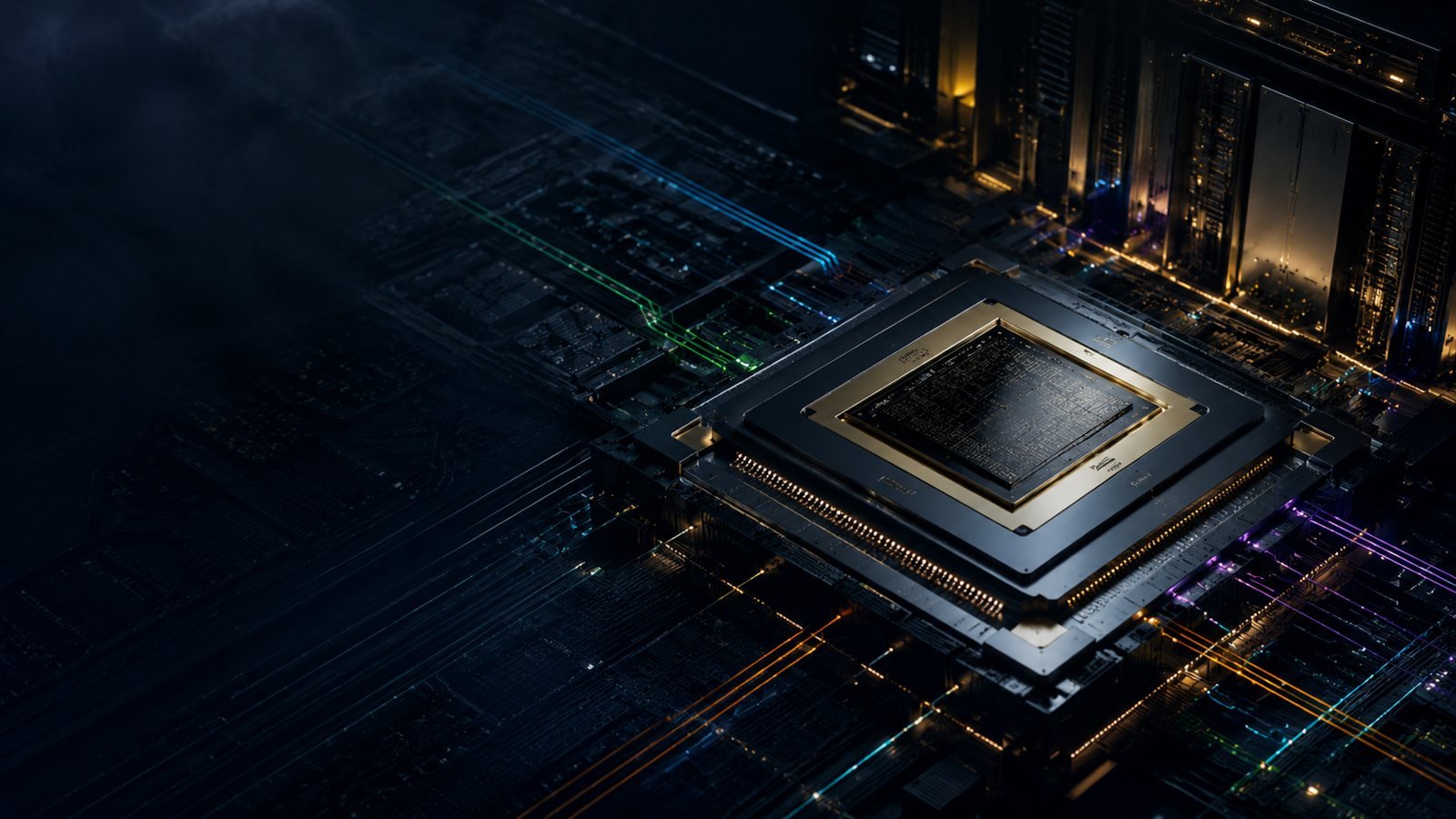
Anthropic is assembling an internal team to design custom chips for Claude. That sounds like a hardware story. It is really a strategy story about where the AI race is heading next.
According to Reuters, Anthropic is hiring engineers who can work across both hardware and software, with the aim of co-designing chips and models that run faster and more efficiently at customer scale. The company has not supplied a delivery timeline or said whether it would manufacture the chips itself.
The key points
- Anthropic is building custom-silicon expertise inside the company.
- It still plans to use a diversified stack that includes technology from AWS, Google, NVIDIA, and AMD.
- The goal is not simply owning a chip; it is making Claude, its inference software, and the underlying hardware work better together.
- Advanced chip programs are expensive and slow. Reuters cites an industry estimate of roughly $500 million to design a high-end AI chip.
Why this matters
Frontier-model performance is increasingly shaped by the entire system around the model: memory, networking, inference software, routing, power, cooling, and the processors themselves. A model lab that can tune those layers together can improve speed and cost without waiting for a completely new model generation.
That makes custom silicon a potential strategic lever, but not an instant advantage. The largest risk is execution. Designing a competitive chip is difficult; manufacturing it at scale is another challenge entirely. Anthropic’s decision to retain a multi-chip strategy is therefore important. It preserves supplier flexibility while the internal program develops.
The 18BYTE take
The meaningful change is not that every AI company will become a chip manufacturer. It is that leading labs increasingly see models as one component of a larger intelligence system. OpenAI is emphasizing model routing and price-performance. Google already spans models, cloud infrastructure, and custom TPUs. Anthropic is now adding deeper hardware capability.
For businesses buying AI, this should eventually translate into more choices at different combinations of capability, latency, and cost. For builders, it reinforces a practical rule: choose models by the outcome required, and expect the best model for one step of a workflow to differ from the best model for the next.
Source: Reuters, August 5, 2026. 18BYTE independently summarizes and analyzes the announcement; source claims remain attributable to the originating organization or reporting.